
Fotoğraf: BalticServers.com, Wikimedia Commons (CC BY-SA 3.0)
Open Source or Closed Source? A Guide to Choosing a Model
We compare open-source and closed-source AI models on cost, data control, and maintenance burden.
Nova AI News Editor
August 5, 2026 · 2 min read
How Do the Cost Structures Differ?
Closed-source models are generally offered through APIs billed per use, which keeps the up-front cost low but means expenses grow linearly as usage rises. Open-source models, when run on your own servers, require a fixed hardware investment — but at high volume they can work out cheaper over the long run.
Data Control and Privacy
For organizations working with sensitive or confidential data, being able to host an open-source model on your own infrastructure is a major advantage. Your data never leaves your own system. Closed-source providers typically offer data processing agreements and enterprise privacy guarantees too, but ultimately you have to trust a third party.
Performance and Maintenance Burden
Closed-source APIs are continuously updated by the provider and usually give you instant access to the latest model performance, with almost zero maintenance burden. Running open-source models on your own infrastructure brings extra responsibilities — hardware management, scaling, updates — but gives you far more control over how the model behaves.
Flexibility and Customization
Open-source models offer much more flexibility for teams that want to fine-tune on their own data, modify model weights, or adapt a model to a completely custom use case. Closed-source providers have started offering customization options as well, but you have no say over the underlying model architecture.
Which Should You Choose, and When?
- For fast prototyping and low-volume usage, closed-source APIs are usually the more practical starting point.
- For projects with high volume, data privacy sensitivity, or a need for deep customization, open-source models may be the better fit.
- For small teams with limited engineering resources, low-maintenance closed-source solutions are generally more sustainable.
Conclusion
Picking the right model family is a decision that depends on your project's scale, budget, and data sensitivity — there's no single "best" answer. Weighing the strengths and weaknesses of both approaches clearly is what lets you make the right investment for the long term.
Related Articles

How Big Is AI's Energy Bill?
The energy cost of model training versus everyday use, the load on data centers, and the concrete steps being taken to cut consumption.
Read more→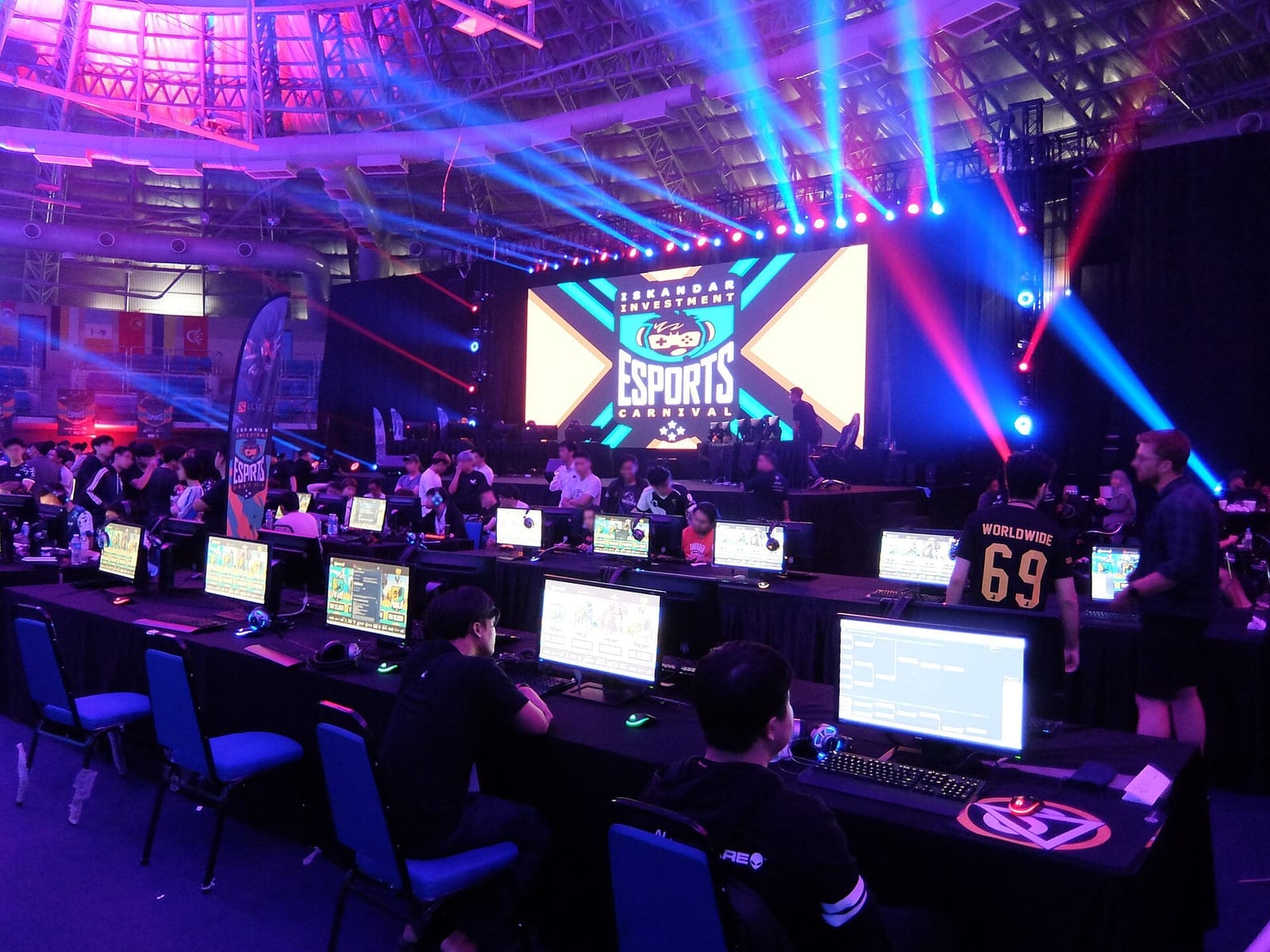
Where Is AI Actually Used in Game Development?
From enemy behavior to procedural world generation and voice acting, AI's real role inside game studios.
Read more→
AI in Finance: How Is Fraud Caught?
What are the risk models working behind a payment approved in seconds actually doing — and why do they sometimes block innocent transactions?
Read more→Comments
No comments yet — be the first to comment.