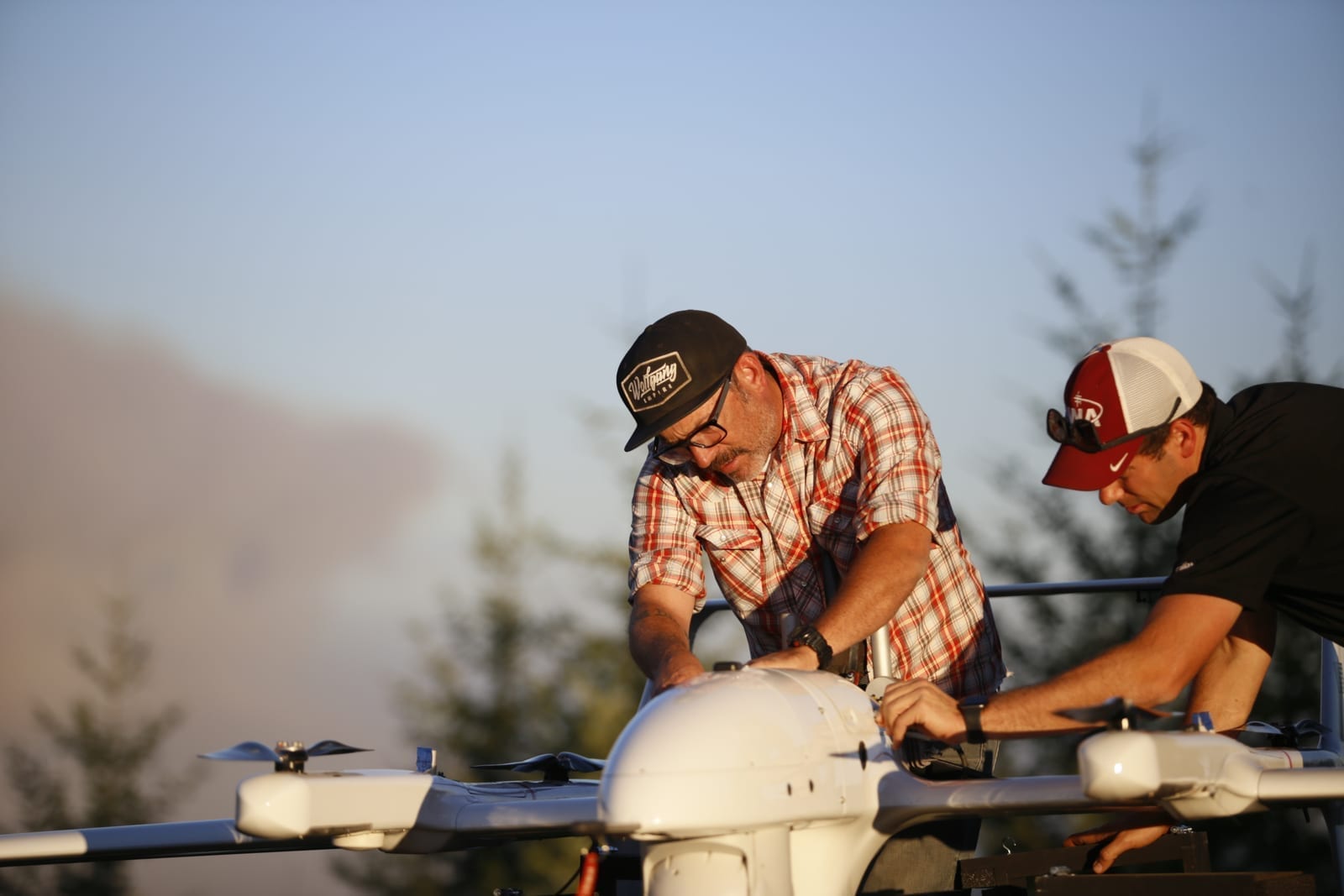
Fotoğraf: Region 5 Photography, Wikimedia Commons (Public domain)
Autonomous Drones: What Is AI Doing Up There?
From agriculture to disaster response, how does the decision-making ability of unmanned aircraft work — and where do its limits begin?
Nova AI News Editor
August 19, 2026 · 1 min read
From Image to Decision
An autonomous drone processes the feed from its camera dozens of times a second to identify obstacles, landing zones, and targets. Most of that processing now happens during flight, on small processors aboard the aircraft — because the vehicle has to behave safely when the connection drops, too.
Concrete Uses in Agriculture
A drone flying over a field can map crop health with a multispectral camera. When models detect stressed areas early, pesticide and water go only where they're needed. It's one of the rare applications that lowers both cost and environmental impact.
Disaster Response and Search and Rescue
In the first hours after a collapse, the most valuable thing is a map. Drones can scan an area quickly and produce a three-dimensional model, and flag heat sources with thermal cameras. AI's role here isn't making decisions — it's prioritizing where human teams should look.
Limits and Risks
The weakest point of autonomous systems is the unexpected. A scene never present in the training data can lead the model to make a confidently wrong decision. That's why a chain of human approval is still mandatory in serious applications. Airspace regulations also place tight limits on beyond-visual-line-of-sight flights.
Conclusion
AI in drones automates seeing and prioritizing, not flying. The technology may be ready, but regulation and trust will set the pace of adoption.
Related Articles
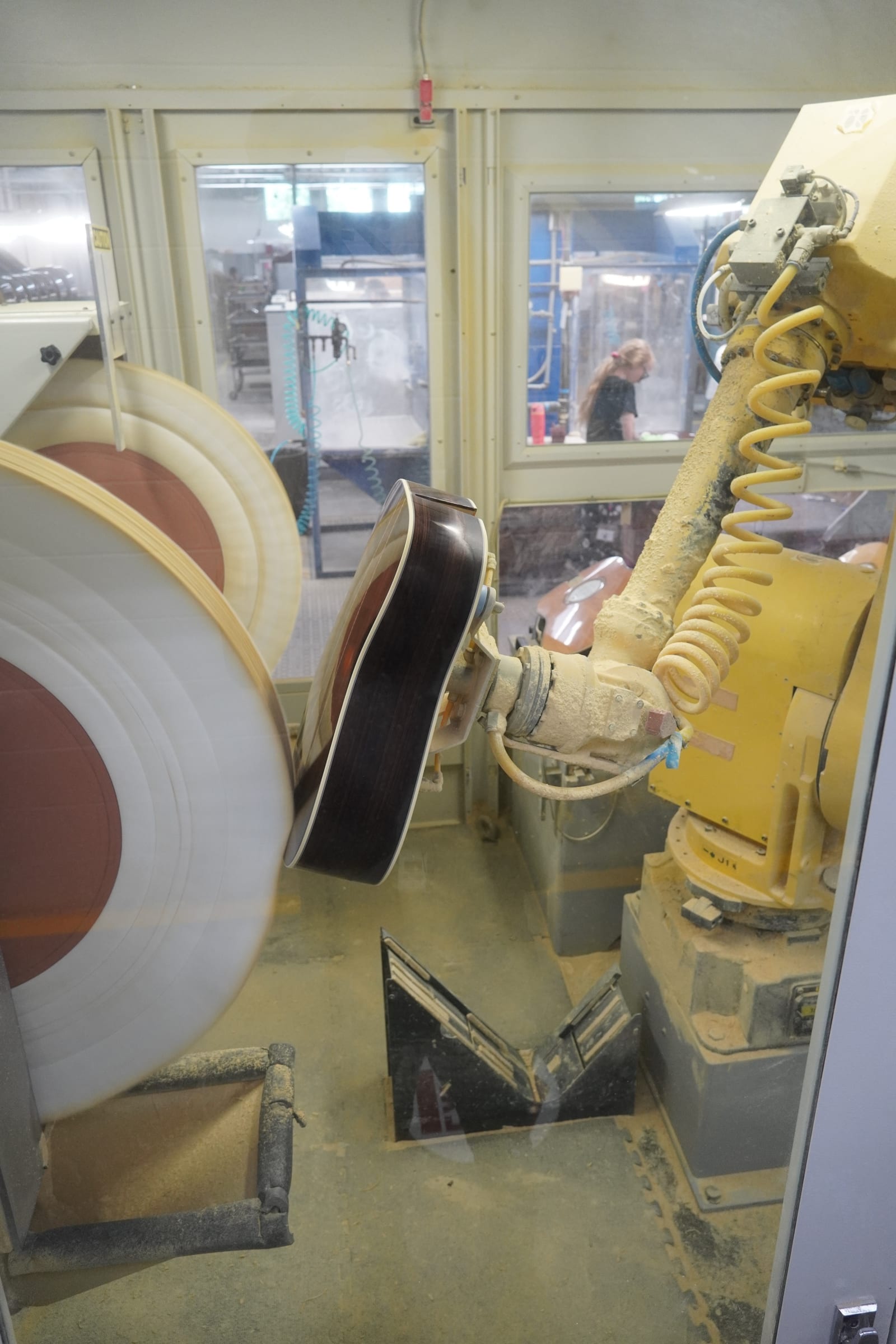
AI in Manufacturing: Warning You Before the Breakdown
How does predictive maintenance prevent downtime using vibration and temperature data? With concrete examples from factory floors.
Read more→
AI Regulation: What Does It Mean for Companies?
From risk-based classification to transparency obligations, the concrete responsibilities the new rules place on businesses.
Read more→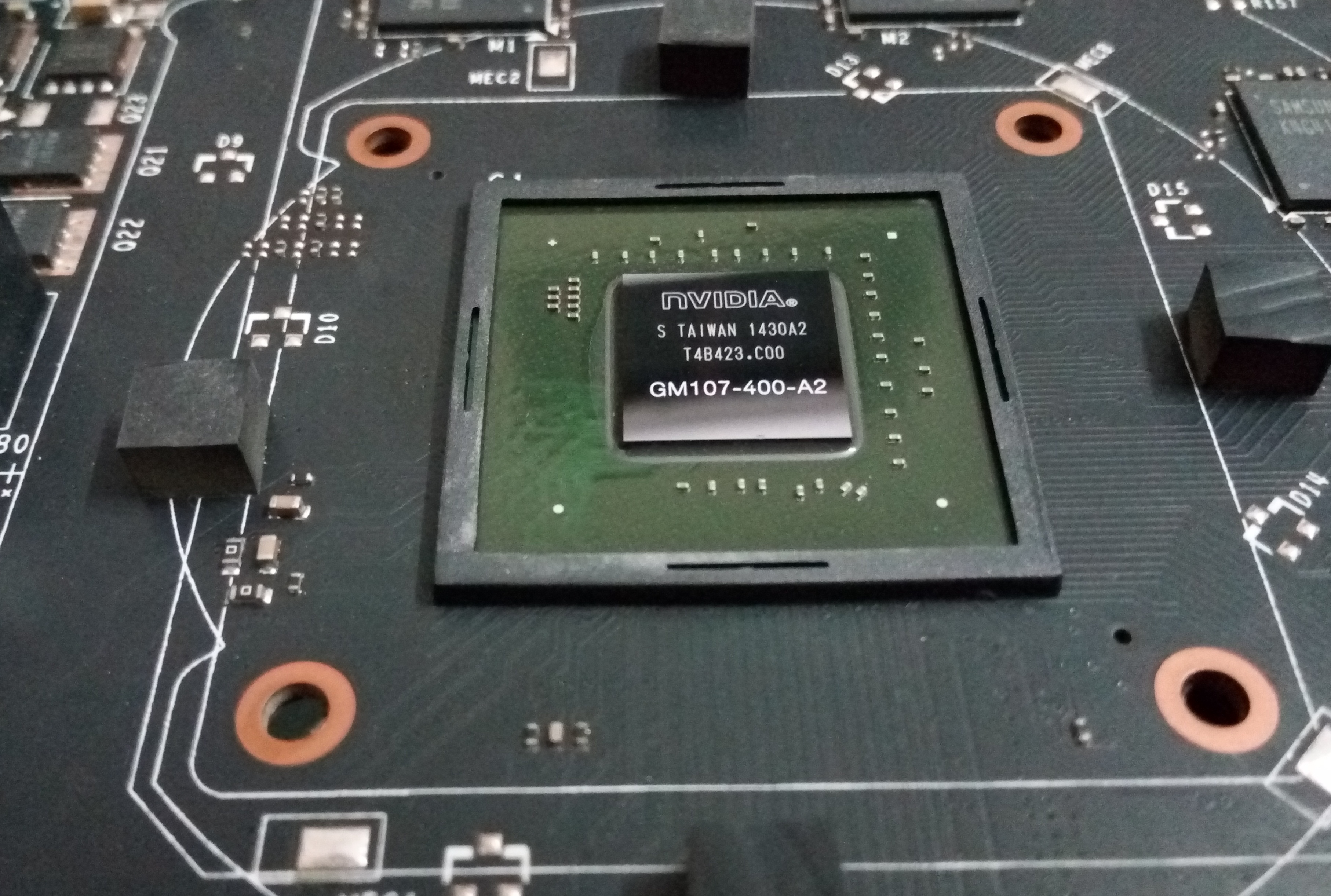
The AI Hardware of the Future
From specialized AI chips to edge hardware, how is the next generation of hardware making models faster and more efficient?
Read more→Comments
No comments yet — be the first to comment.