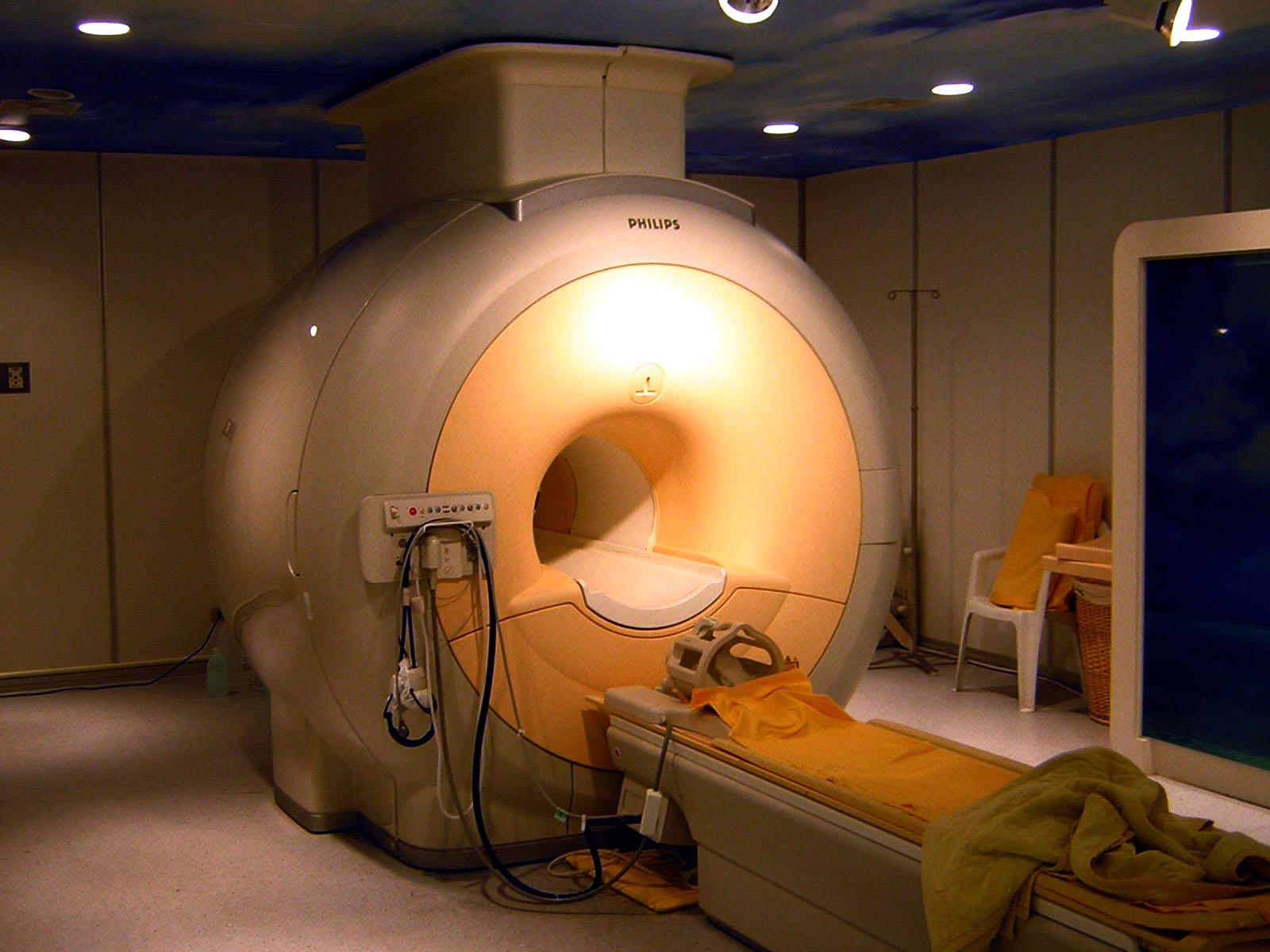
Fotoğraf: KasugaHuang, Wikimedia Commons (CC BY-SA 3.0)
AI-Powered Health Technologies
From early diagnosis to personalized treatment, how is AI transforming healthcare — and what risks does it bring with it?
Nova AI News Editor
August 9, 2026 · 1 min read
Support for Early Diagnosis
In image analysis, AI is acting as a second pair of eyes for radiologists and pathologists. Models trained to detect small abnormalities in X-ray, MRI, and CT images can, in some cases, catch early findings that specialists might miss. That can make an enormous difference in diseases like cancer, where early diagnosis is vital.
Faster Drug Development
The traditional drug development process can take years and cost enormous sums. AI can shorten it considerably by rapidly screening millions of molecules for potential candidate compounds and simulating their interactions. This lets researchers prioritize the most promising candidates before moving on to lab testing.
Personalized Treatment Approaches
Every patient's genetics, lifestyle, and medical history are different. AI models can analyze that individual data and suggest treatment plans tailored to the patient. This approach is accelerating the shift from "the same treatment for everyone" to "treatment specific to the patient," particularly in fields like oncology.
Risks to Watch For
Alongside this progress come significant risks:
- False positives and negatives: Model errors can cause unnecessary worry or missed diagnoses.
- Data privacy: Health data is extremely sensitive and can do serious harm in the wrong hands.
- Unequal access: Access to advanced AI-powered health technology may not be equal across all regions and income groups, which risks deepening existing health inequalities.
Conclusion
AI is delivering concrete benefits across healthcare, from diagnosis through to treatment. But applying the technology safely, fairly, and with respect for privacy is critical if its benefits are to outweigh its risks.
Related Articles
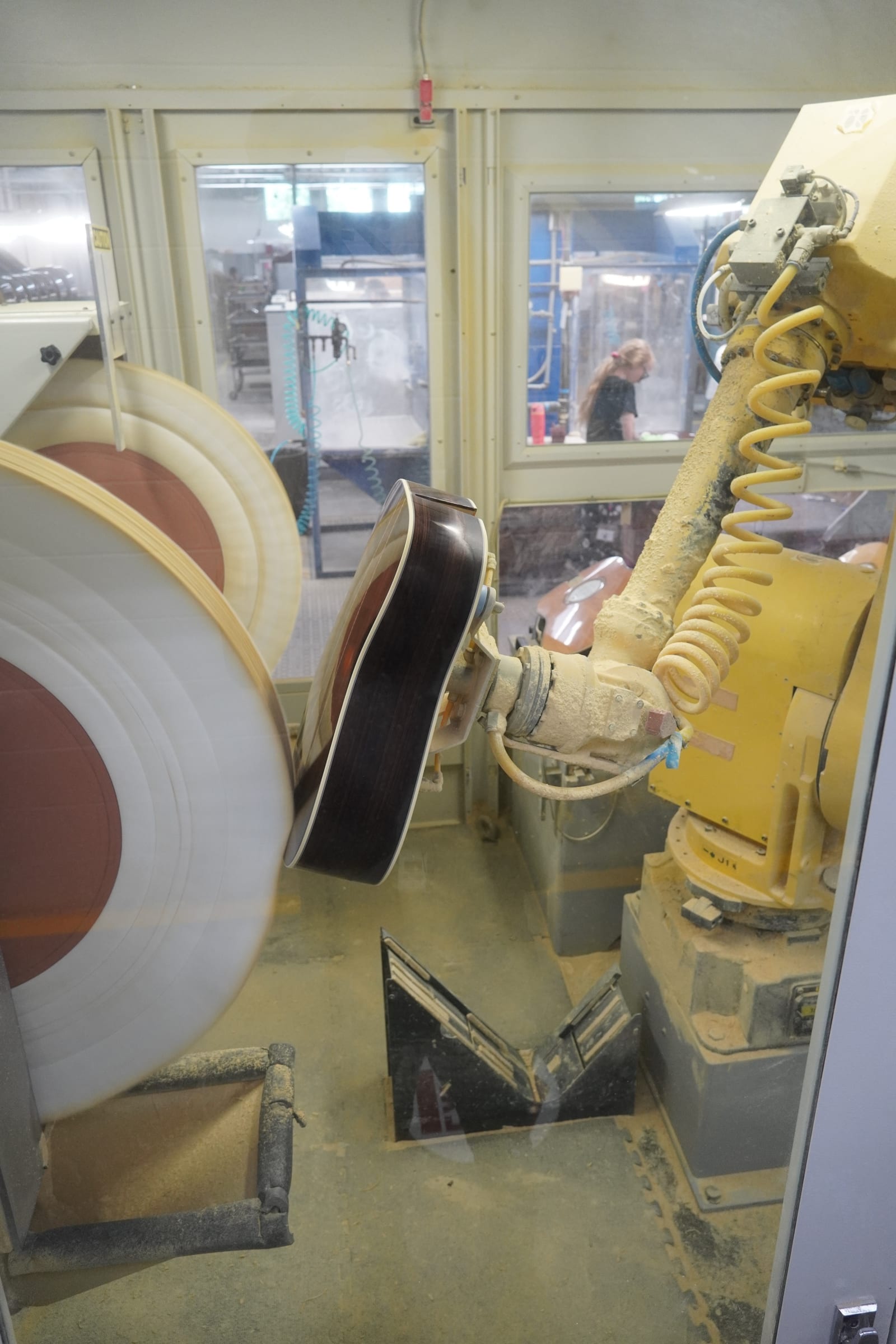
AI in Manufacturing: Warning You Before the Breakdown
How does predictive maintenance prevent downtime using vibration and temperature data? With concrete examples from factory floors.
Read more→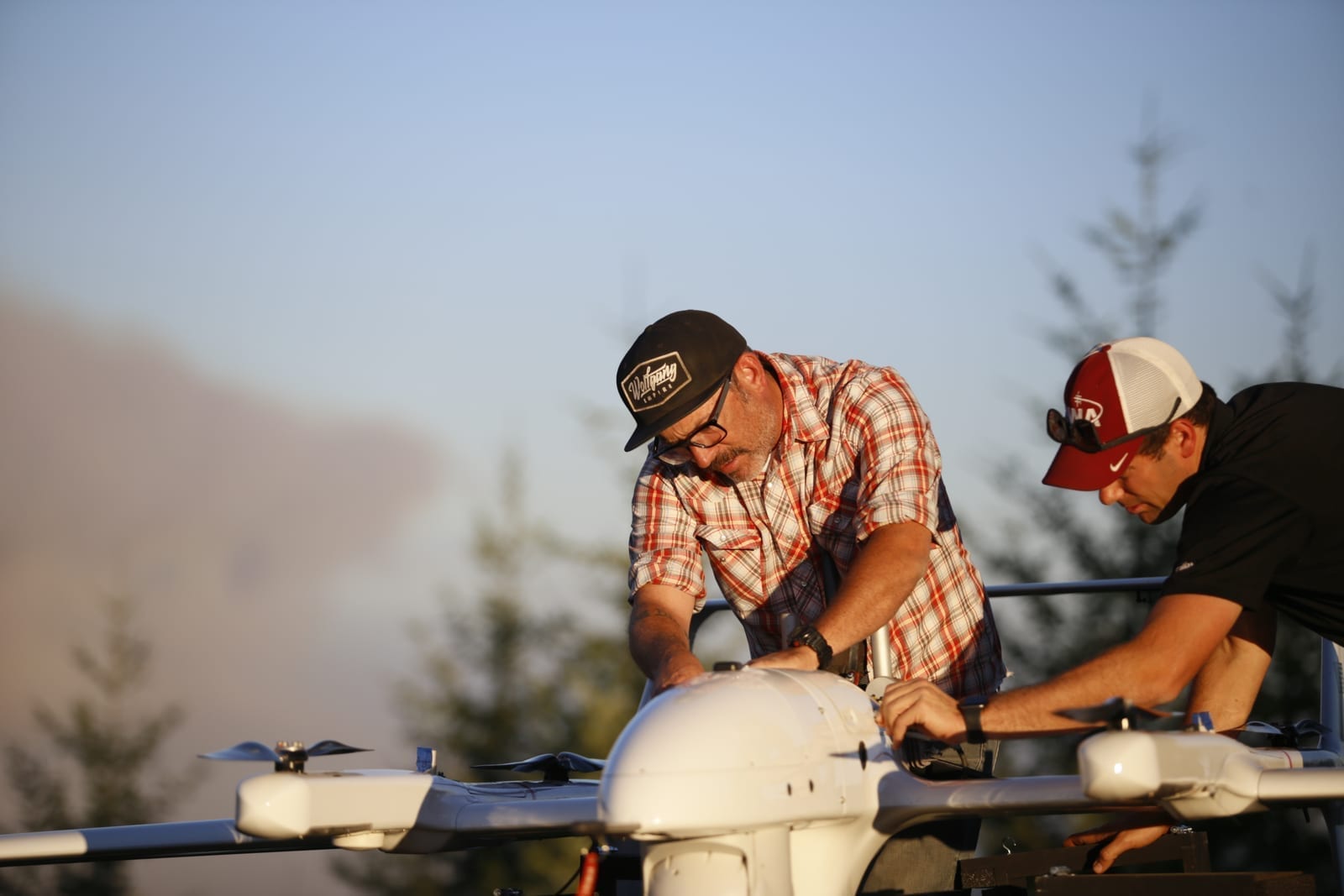
Autonomous Drones: What Is AI Doing Up There?
From agriculture to disaster response, how does the decision-making ability of unmanned aircraft work — and where do its limits begin?
Read more→
AI Regulation: What Does It Mean for Companies?
From risk-based classification to transparency obligations, the concrete responsibilities the new rules place on businesses.
Read more→Comments
No comments yet — be the first to comment.