
Fotoğraf: DHSgov, Wikimedia Commons (Public domain)
AI Regulation: What Does It Mean for Companies?
From risk-based classification to transparency obligations, the concrete responsibilities the new rules place on businesses.
Nova AI News Editor
August 16, 2026 · 1 min read
A Risk-Based Approach
The shared logic behind the regulations coming into force is not to lump all AI systems together. Systems are classified by where they're used: a film recommendation engine and a model assessing loan applications aren't subject to the same scrutiny. The areas generally treated as high-risk are employment, credit, healthcare, education, and public services.
The Transparency Obligation
Users knowing they're interacting with an AI system is now mandatory in most places. Labeling AI-generated images and audio, chatbots identifying themselves, and being able to justify automated decisions all fall under this heading.
Record-Keeping and Auditability
The most concrete thing expected from companies using high-risk systems is documentation. What data the model was trained on, which tests it passed, what error rates it operates at, and where human oversight enters the process all have to be on record. The companies that struggle most during an audit turn out to be the ones where a supplier, not they themselves, built the system.
A Practical Roadmap for Small Businesses
For small businesses, the issue is usually not training their own model but using an off-the-shelf service. Even then, responsibility doesn't disappear entirely: what data is sent to the service, whether the result is checked by a human, and whether the user is notified are the first questions that will be asked.
Conclusion
Regulation isn't banning the use of AI — it's putting it on record. For companies that move early and document their processes, compliance becomes less of an obstacle than a signal of trustworthiness.
Related Articles
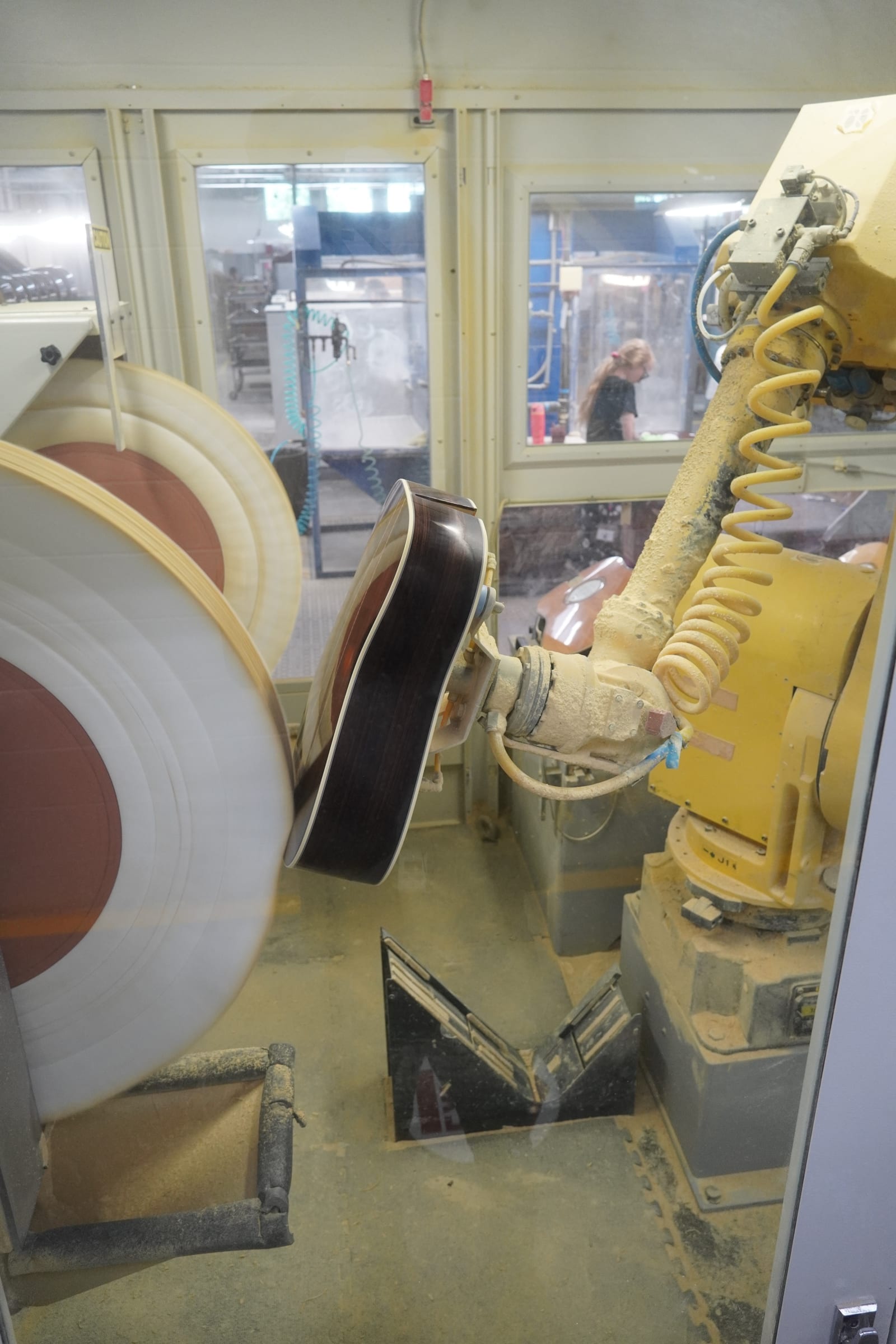
AI in Manufacturing: Warning You Before the Breakdown
How does predictive maintenance prevent downtime using vibration and temperature data? With concrete examples from factory floors.
Read more→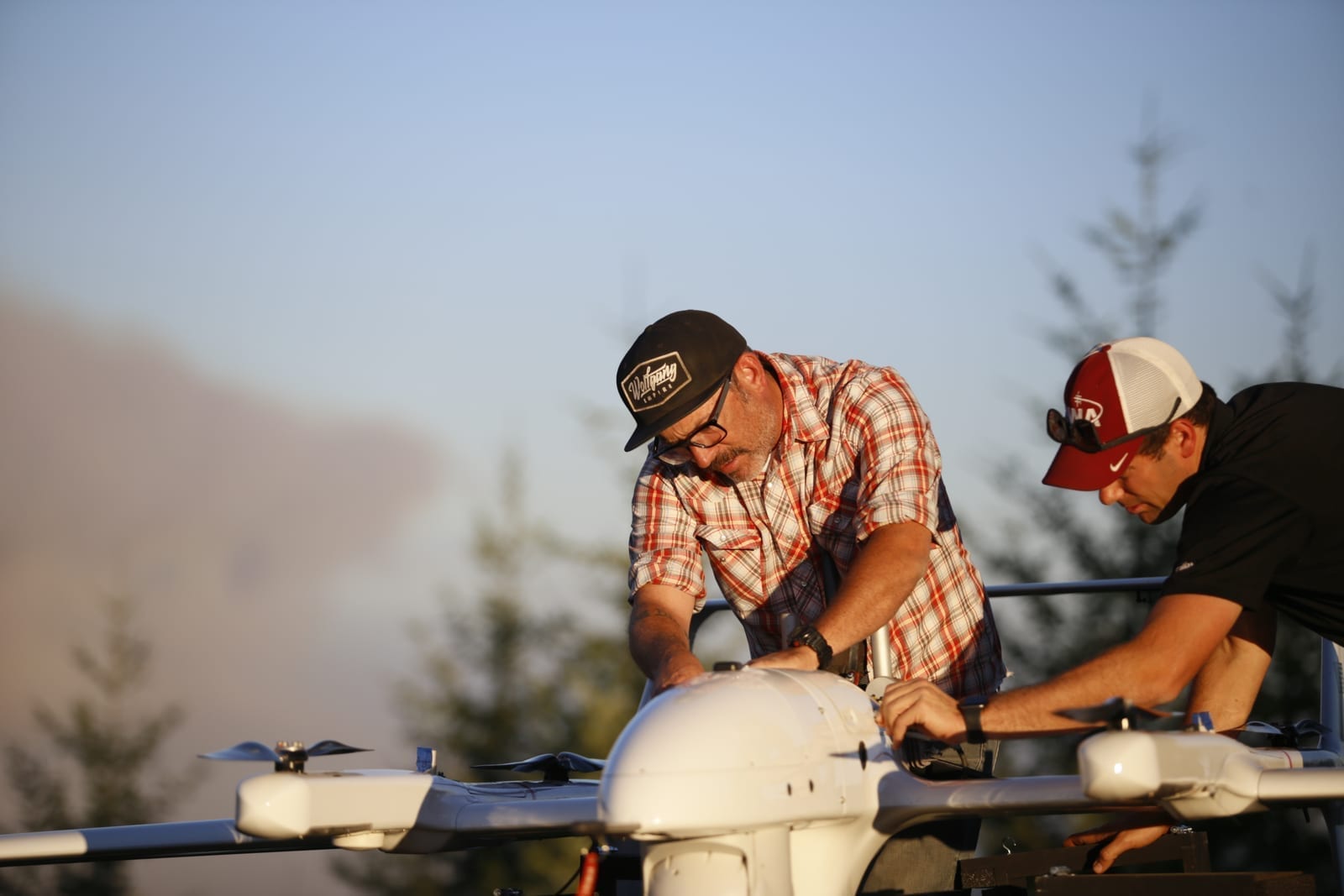
Autonomous Drones: What Is AI Doing Up There?
From agriculture to disaster response, how does the decision-making ability of unmanned aircraft work — and where do its limits begin?
Read more→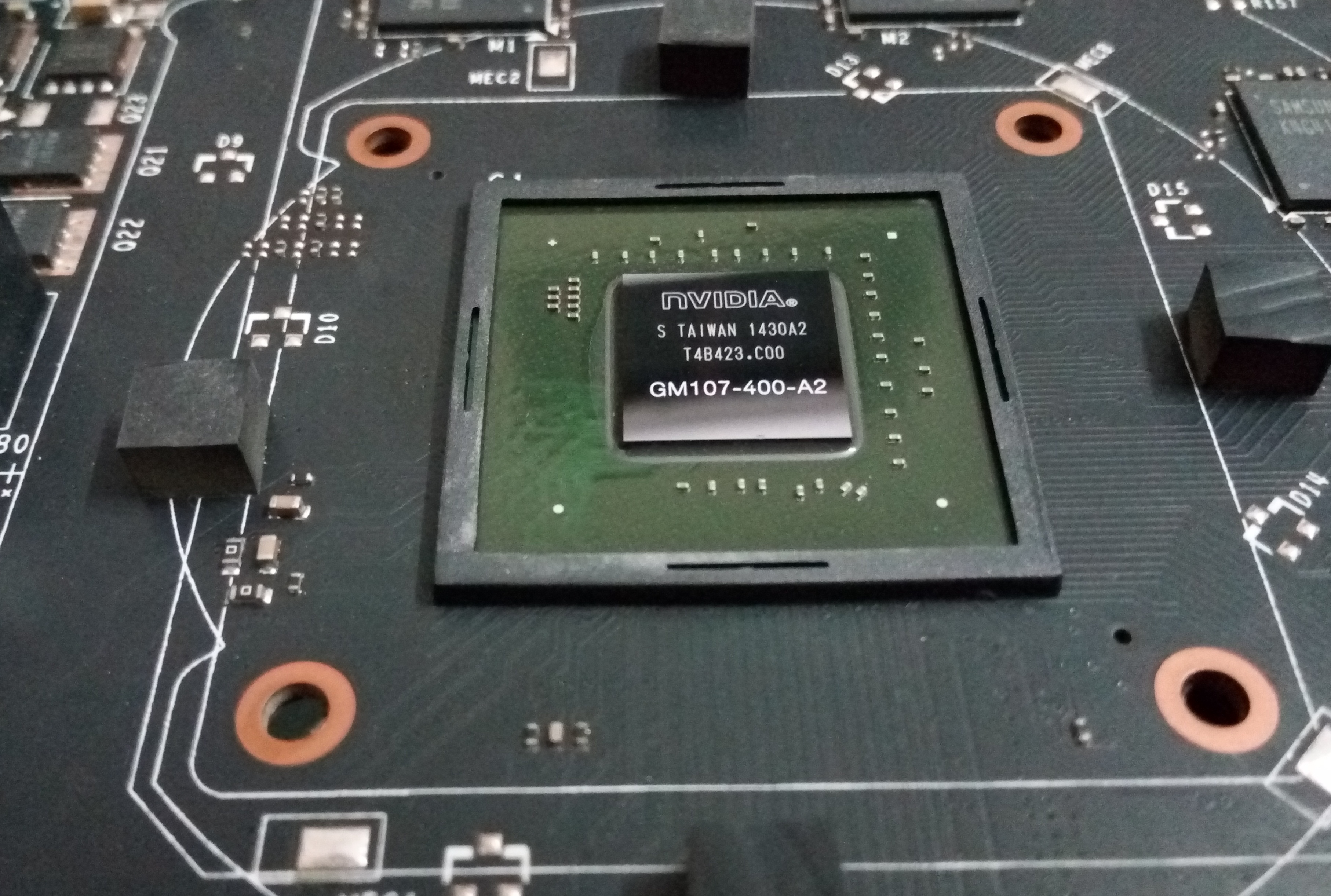
The AI Hardware of the Future
From specialized AI chips to edge hardware, how is the next generation of hardware making models faster and more efficient?
Read more→Comments
No comments yet — be the first to comment.