
The AI Model Race Heats Up: GPT-5.6, Claude Opus 4.6, Gemini 3.6, and DeepSeek-V4 Go Head to Head
Summer 2026 saw a wave of new large language model releases. From GPT-5.6 to DeepSeek-V4, here's where the model race stands and what it means for users.
Nova AI News
August 10, 2026 · 2 min read
Summer 2026 has turned into a release avalanche in the large language model market. OpenAI, Anthropic, Google, and DeepSeek have rolled out new models in rapid succession, and the competition is being reshaped around price-to-performance efficiency.
Who announced what
OpenAI made GPT-5.6 the default model in ChatGPT, then expanded the family with variants like GPT-5.6 Sol and Luna. The focus is on consistency in long-context tasks and reliability in agentic workflows.
Anthropic's Claude Opus 4.6 and Sonnet 4.6 stood out particularly on benchmarks like SWE-bench and in agentic coding tasks, aiming to produce more consistent results over long autonomous coding sessions with less human intervention.
Google raised the bar on long-context and multimodal work with Gemini 3.1 Pro and Deep Think, offering context windows up to 2 million tokens. Google also shipped Gemini 3.6 Flash on July 21, a separate move focused on token efficiency for agentic workloads (covered in a separate article on our site).
DeepSeek took a hybrid approach with DeepSeek-V4, released to public preview in April 2026: rather than a separate reasoning mode, reasoning is folded directly into a single model. DeepSeek V4-Flash, which arrived July 31, turned heads with aggressive pricing of $0.14 / $0.28 per million tokens in the price-performance segment.
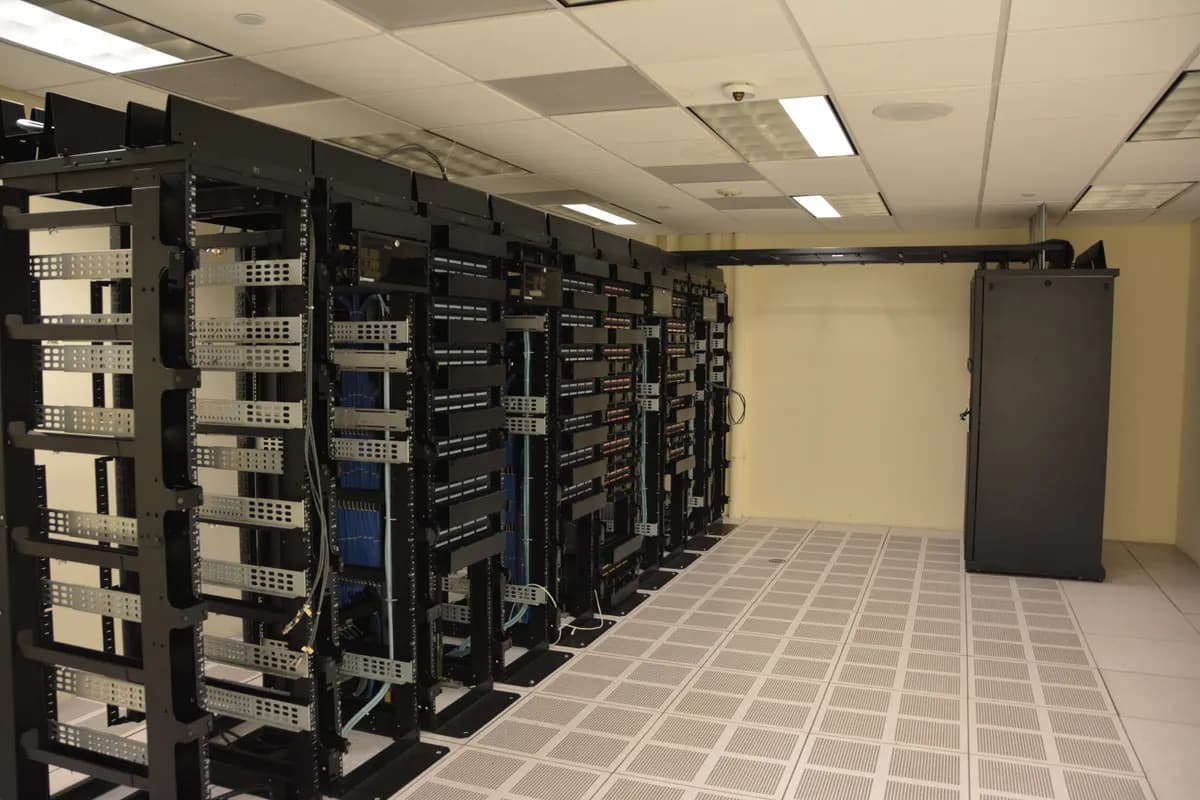 Training and serving this new generation of models depends on massive data center infrastructure. Photo: Carl Lender, CC BY 2.0.
The common thread: efficiency
What unites this new generation of models is a shift beyond raw capability toward efficiency. Companies are no longer competing purely on benchmark scores — they're competing on how many tokens (and therefore how much money) it takes to complete a task. This has a direct impact on operating costs, especially for long-running agentic tasks like coding, research, and multi-step automation.
What it means for users
For developers and businesses, this intense competition is good news: capabilities are rising while prices fall. But model selection is shifting from "which model is strongest" to "which model gives the best result per token for my specific workflow." With Claude Opus 5 and likely new Gemini releases on the horizon, expect this race to accelerate further in the coming months.
Related Articles

How Big Is AI's Energy Bill?
The energy cost of model training versus everyday use, the load on data centers, and the concrete steps being taken to cut consumption.
Read more→
Why Does AI Ethics Matter?
We look at why evaluating AI systems for bias, transparency, and accountability is so critical.
Read more→
Where Is AI Actually Used in Game Development?
From enemy behavior to procedural world generation and voice acting, AI's real role inside game studios.
Read more→Comments
No comments yet — be the first to comment.