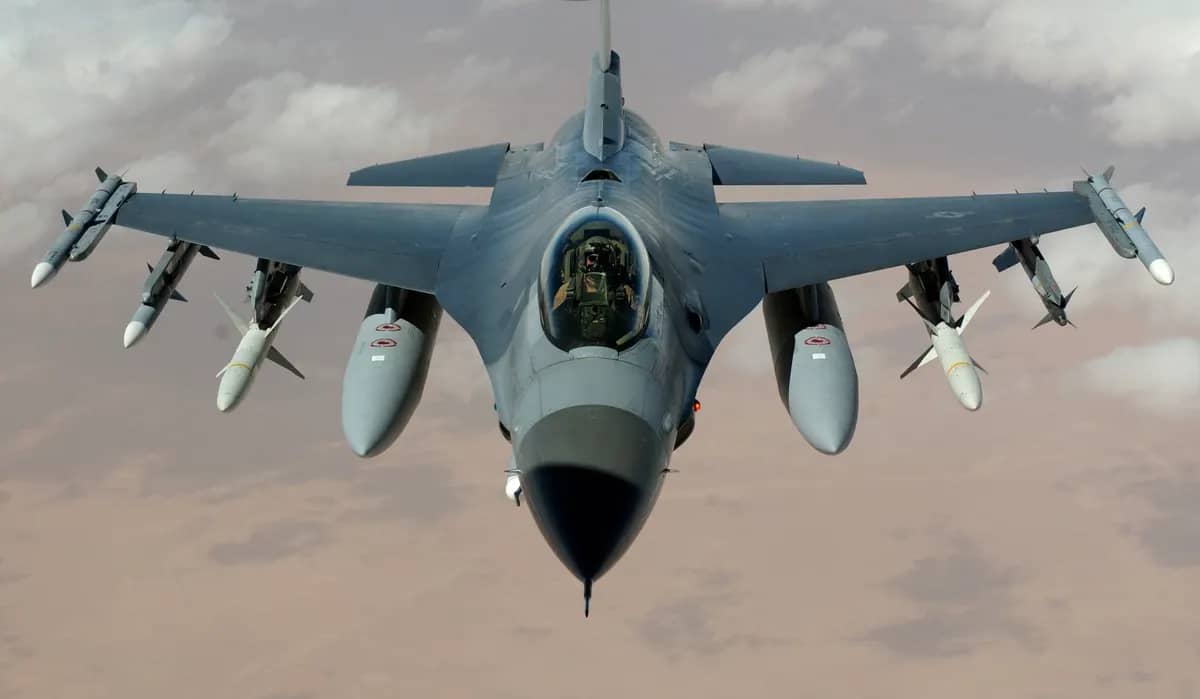
DARPA's AI Just Flew a Real F-16: What the VENOM Program Means
DARPA and the U.S. Air Force successfully flew an AI-controlled F-16 under the VENOM program. Here's what it means for the future of autonomous combat aircraft.
Nova AI News
August 10, 2026 · 2 min read
In July 2026, DARPA and the U.S. Air Force reached a milestone at Eglin Air Force Base: an F-16 Fighting Falcon modified under the VENOM (Viper Experimentation and Next-gen Operations Model) program successfully flew under AI control.
What changed on the aircraft
Unlike a standard fighter, VENOM's F-16s carry a new interface integrated into the flight control and mission systems. The human pilot in the cockpit can flip a single switch to toggle between traditional manual control and AI control. This isn't about turning the jet into a drone — it's about converting an existing operational airframe into a usable AI test platform.
The approach builds directly on DARPA's earlier ACE (Air Combat Evolution) program, flown on the one-of-a-kind X-62A VISTA testbed. VISTA proved in 2023-2024 that an AI agent could autonomously fly a real dogfight against a human pilot. VENOM's goal is to move that capability from a single prototype aircraft to a standard operational F-16 fleet.
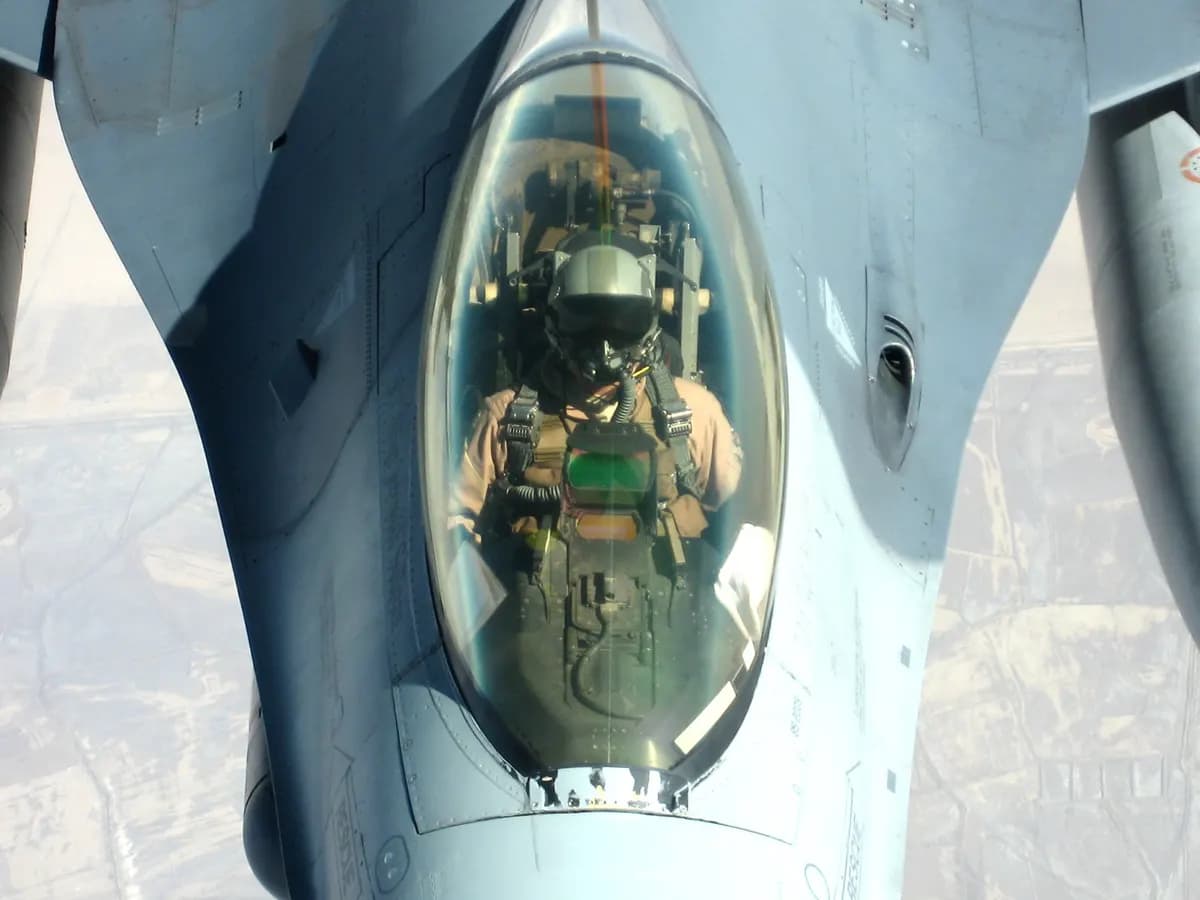 Under the VENOM program, the human pilot can toggle between manual and AI control with a single switch.
Why it matters
The real significance of this flight is moving the technology from the lab to real operational hardware. As part of the broader Artificial Intelligence Reinforcements program, the VENOM fleet will lay the groundwork for testing multiple AI agents simultaneously in live flight scenarios. The end goal: a single human pilot overseeing a team of autonomous, uncrewed aircraft — turning the "loyal wingman" concept into a battlefield reality.
Risks and open questions
The advance of autonomous combat systems raises serious ethical and operational questions. How much decision-making authority should be handed to a machine? Who is accountable when something goes wrong? DARPA currently emphasizes that the human pilot retains override authority at all times, but as the program progresses, where those lines get drawn will remain a live debate in both military and civilian circles.
The VENOM program is concrete proof that AI is maturing rapidly not just in text and image generation, but in domains requiring high-stakes, high-speed real-world decisions. The results of the upcoming multi-agent tests will show just how quickly this technology moves toward operational deployment.
Related Articles

AI-Powered Health Technologies
From early diagnosis to personalized treatment, how is AI transforming healthcare — and what risks does it bring with it?
Read more→
Where Robotics and AI Meet
From perception to decision-making, what's going on behind the scenes of intelligent robots that move through the physical world?
Read more→
AI in Manufacturing: Warning You Before the Breakdown
How does predictive maintenance prevent downtime using vibration and temperature data? With concrete examples from factory floors.
Read more→Comments
No comments yet — be the first to comment.