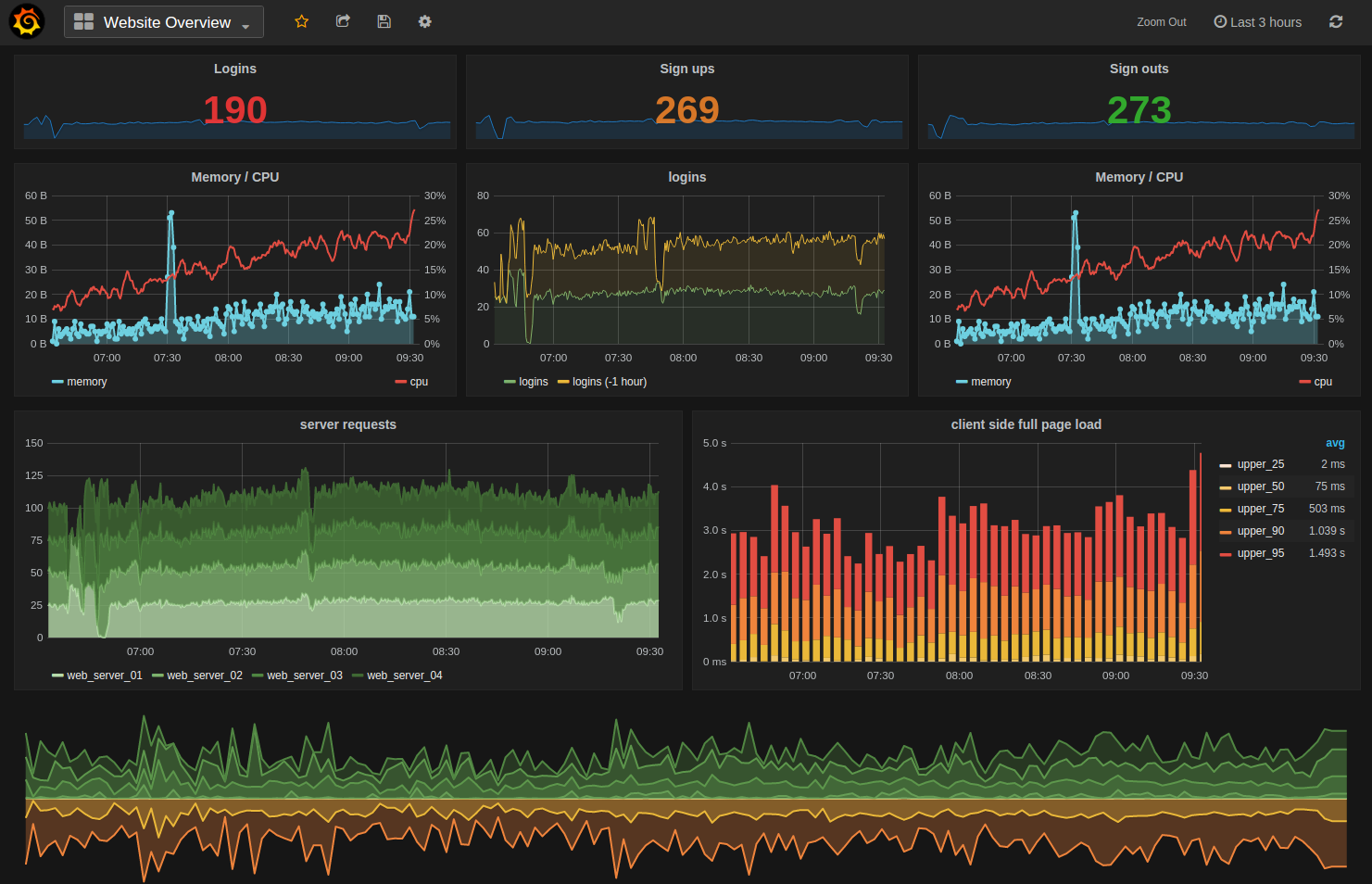
Fotoğraf: Linux Screenshots, Wikimedia Commons (CC BY 2.0)
Speeding Up Data Analysis with AI
From automatic pattern detection to natural-language querying, how is AI making it easier to pull insight out of large data sets?
Nova AI News Editor
August 7, 2026 · 1 min read
Automatic Pattern Detection
Traditional data analysis requires analysts to know in advance which questions they should be asking. AI-powered tools, on the other hand, can spot patterns, anomalies, and correlations in large data sets within seconds — things the human eye would never catch. That makes discoveries possible that would be impossible to do manually across millions of rows.
Querying in Natural Language
You can now ask questions of your data in plain language — "Which product sold the most last month?" — without writing a SQL query. Thanks to natural language processing, AI understands these questions, turns them into the appropriate data queries, and presents the result in a readable format. That lets team members without technical backgrounds interact with the data directly.
Automatic Report and Visualization Generation
AI tools can now generate charts, summary reports, and trend analyses automatically from raw data. This significantly reduces the routine reporting work that eats up most of an analyst's time, freeing them to focus on more strategic analysis.
Data Quality and Validation Still Matter
AI's speed means that if your data quality is poor, you'll reach misleading conclusions just as quickly. An analysis fed with incomplete, inconsistent, or incorrect data won't be reliable no matter how advanced the model is. That's why maintaining data validation processes alongside automation is critical.
Conclusion
AI is both speeding up and democratizing data analysis — reaching insights no longer requires deep technical expertise. But using that power well depends on solid data quality and a critical mindset.
Related Articles

How Students Should Actually Use AI
Letting AI do your homework kills the learning. Here is how to use it as a tutor instead.
Read more→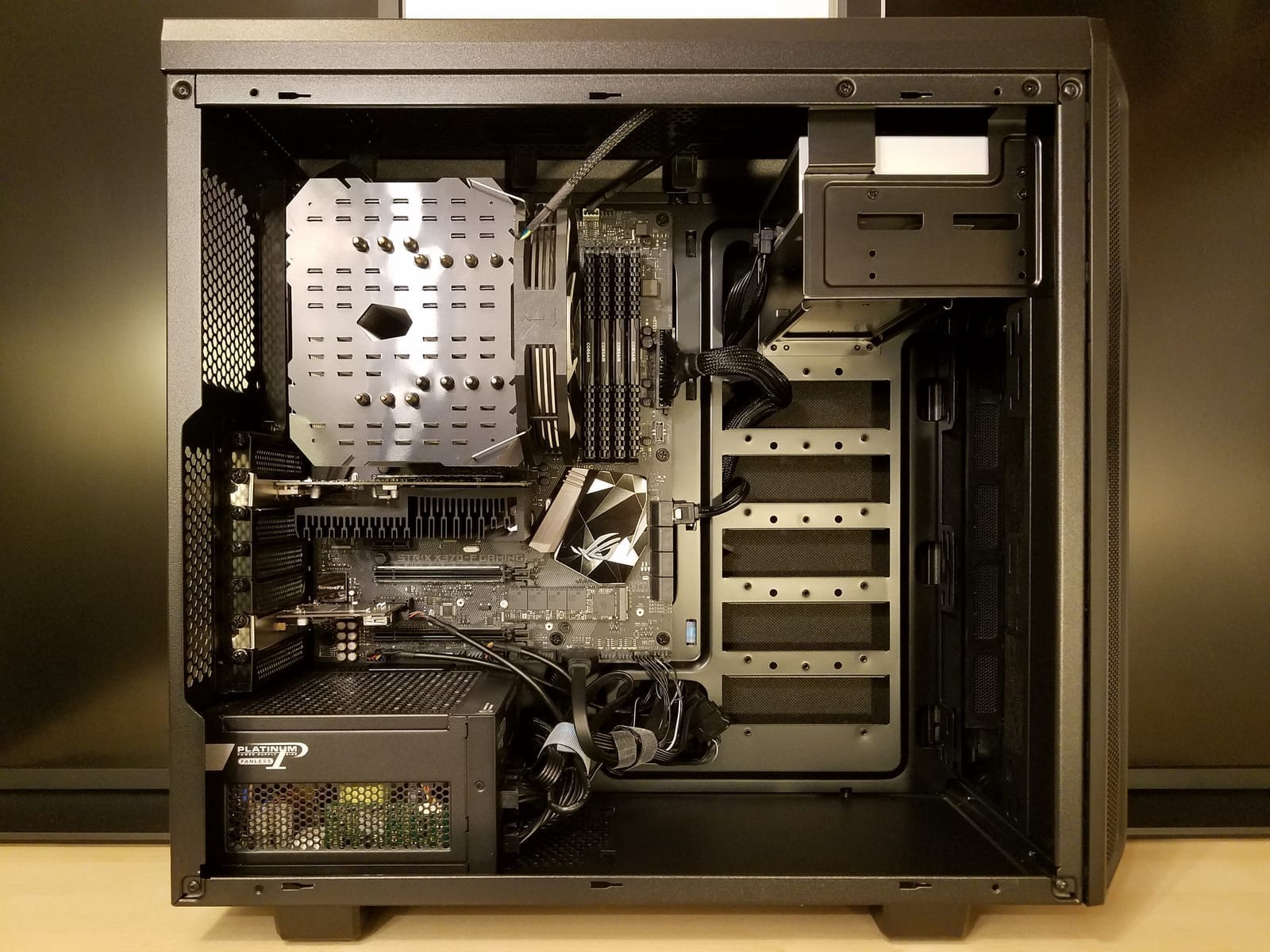
Running an AI Model on Your Own Computer
The hardware, tools, and realistic expectations for running a model on your own machine without a cloud subscription.
Read more→
What's the Difference Between Machine Learning and Deep Learning?
We explain two commonly confused concepts in plain language, along with when you should reach for each one.
Read more→Comments
No comments yet — be the first to comment.